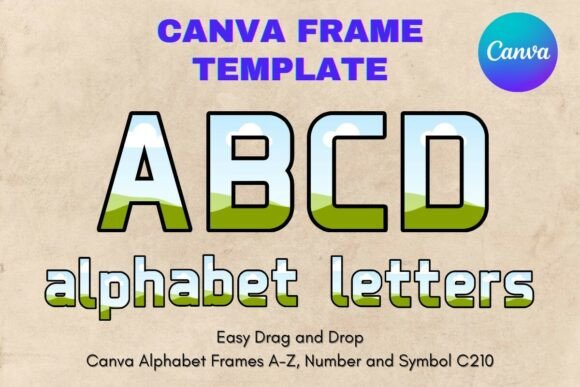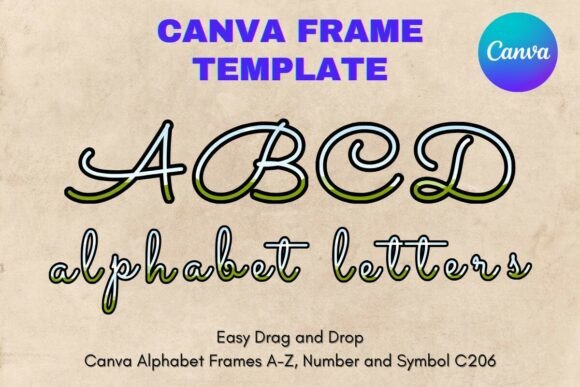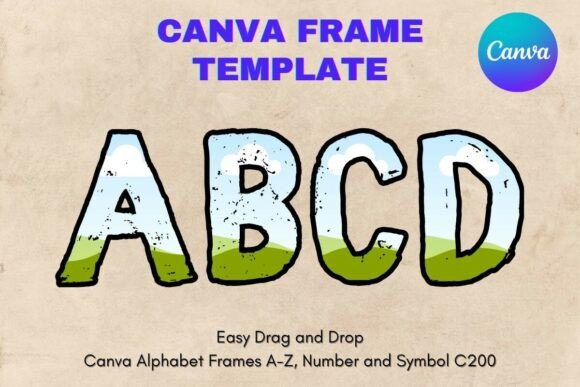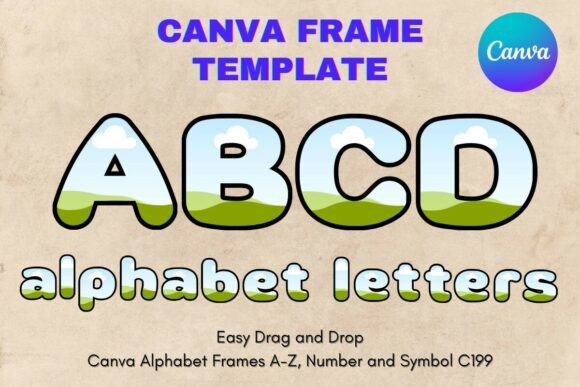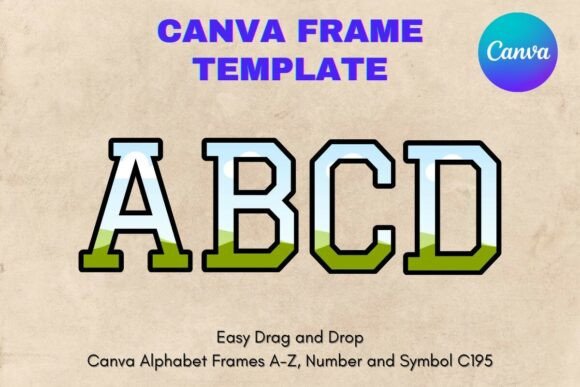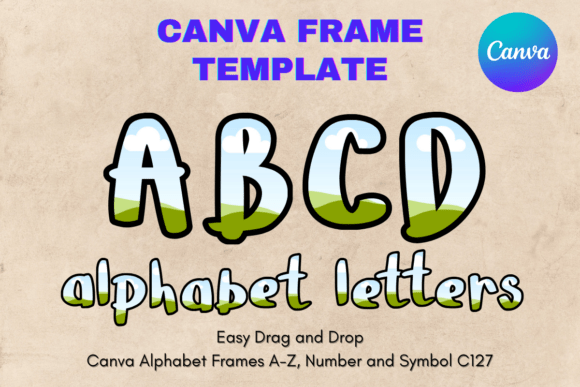
Canva Letters Frame Alphabet Template127 Graphics
First Impression: Playful, Polished, and Purpose-Built
Opening Canva Letters Frame Alphabet Template127 feels like unboxing a well-curated design toolkit—not flashy, but quietly confident. The frames are clean-lined, slightly rounded, and thoughtfully spaced—evoking approachability without sacrificing polish. It’s not “cute” in a childish way, nor “corporate” in a stiff one. Instead, it lands in that sweet spot ideal for lifestyle brands, online coaches, creative entrepreneurs, and small business owners who want warmth *and* professionalism. The mood is optimistic, organized, and human—perfect for audiences seeking authenticity with intention.
A Real Campaign Test: Launching a Seasonal Digital Product Bundle
We recently used Canva Letters Frame Alphabet Template127 to build a 7-day content launch campaign for a digital product bundle targeting wellness coaches. Our goal? Visually unify email headers, Instagram carousels, Pinterest pins, and a downloadable lead magnet—all while reinforcing brand consistency across platforms. The frames became our visual anchor: we dropped in key letters (“B”, “O”, “O”, “S”, “T”) to highlight campaign pillars like “Body”, “Optimize”, “Offer”, “Strategy”, “Tools”. Instant cohesion—no custom illustration needed, no font pairing stress.
Where This Graphic Design Asset Shines
- Social media graphics: Especially Instagram posts and Pinterest pins—its balanced proportions scale beautifully and hold attention in feeds without overwhelming the message.
- Branded templates: As reusable Canva templates for client onboarding kits, course modules, or newsletter headers—it adds instant visual rhythm and recognition.
- Digital ads & email banners: When paired with bold sans serif type and a single brand accent color, it creates strong visual hierarchy and improves scannability.
- Printable promotions & packaging accents: On 8.5×11 inch paper (ideal for inserts, thank-you cards, or mini posters), the frame structure guides the eye and elevates perceived value—even for low-cost digital products.
- Editorial layouts & blog graphics: Use individual frames as decorative dividers or section headers—adding personality without cluttering content.
Where to Use It With Intention
Canva Letters Frame Alphabet Template127 isn’t built for every context—and that’s its strength. Avoid using it in formal corporate branding (think law firms or enterprise SaaS), dense infographics, or mobile-first ads where space is tight. It also competes visually when layered over busy backgrounds or placed beside heavy text blocks. If your brand leans ultra-minimalist (think monochrome, thin fonts, generous whitespace), this asset may feel too expressive. And crucially: never assume automatic commercial license—always verify usage rights before deploying in paid campaigns, client deliverables, or merchandise.
Brand Identity Alignment: More Than Just Decoration
This isn’t clipart—it’s a functional graphic design asset designed to support brand identity, not distract from it. We tested it against three real brand palettes: a muted earthy palette (sage, terracotta, cream), a vibrant modern palette (cobalt, coral, warm gray), and a high-contrast black-and-white scheme. In each case, the frames held up—especially when filled with brand-aligned colors or left transparent for subtle texture. We also checked readability at thumbnail size (Instagram Story, Pinterest pin) and confirmed letters remained legible down to 24px—critical for accessibility and engagement.
Typography Pairing Notes from a Brand Designer
The frame shape naturally complements both geometric sans serifs (like Montserrat or Inter) and friendly rounded typefaces—but clashes subtly with overly delicate scripts or tightly kerned serifs. We recommend testing with your primary display font first. Handwritten fonts work best when placed *inside* the frame—not overlapping its edges—as the contrast reinforces clarity. Bonus tip: try layering a subtle drop shadow or soft stroke to lift letters off light backgrounds without losing elegance.
Practical Creative Marketplace Checks Before You Commit
- Test how it behaves inside real campaign mockups—not just on white Canva canvases.
- Preview on mobile screens: does spacing hold? Does letter weight stay balanced?
- Compare side-by-side with top-performing competitor visuals—is it distinctive *enough* to stand out, yet familiar enough to feel trustworthy?
- Confirm licensing: is this a commercial design asset? Can you use it in client work, digital product visuals, or paid ads?
- Assess versatility: can you easily recolor, resize, or isolate individual letters for varied uses (e.g., a “T” for testimonials, “S” for sales)?
Why This Is a Smart Investment for Content Creators
For bloggers, publishers, and digital sellers, time is the most valuable currency—and Canva Letters Frame Alphabet Template127 saves hours. No need to build custom letter frames from scratch in Illustrator or wrestle with alignment in Canva. It’s drag-and-drop ready, sized for standard print and digital use, and built for consistency. That means faster iterations, stronger visual hierarchy across touchpoints, and more energy spent on messaging—not margins. When your marketing visuals look intentionally cohesive—not haphazard—you earn audience trust faster. And when your social media graphics stop blending into the noise, engagement follows.
The Bottom Line for Small Business Branding
Canva Letters Frame Alphabet Template127 is a quiet powerhouse: not revolutionary, but reliably effective. It supports modern design goals without demanding design expertise. It helps small business branding feel elevated, not overproduced. It turns simple words into memorable visual moments—whether you’re announcing a new offer, designing a content bundle, or building a recognizable visual language across platforms. Please note this is a DIGITAL FILE—no physical product, no props included. You’ll receive one PDF file with a direct link to the custom-made Canva frames templates, sized 8.5×11 inches, optimized for easy drag-and-drop editing. Used thoughtfully, it’s less of a “template” and more of a strategic design asset—one that earns its place in your creative toolkit.