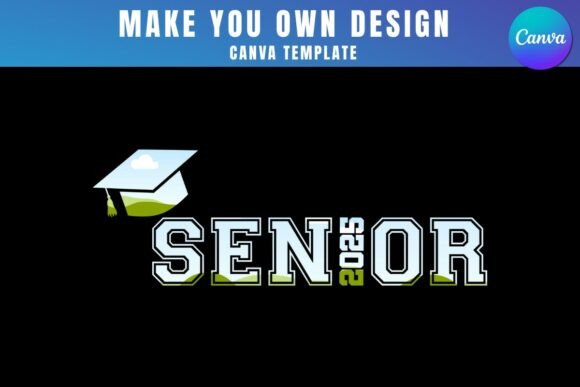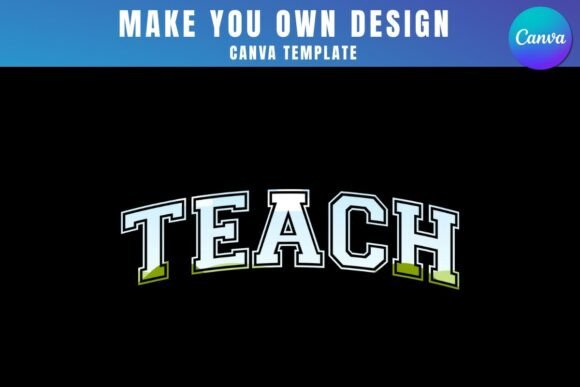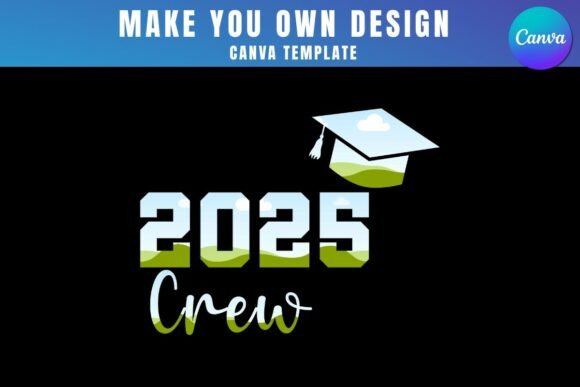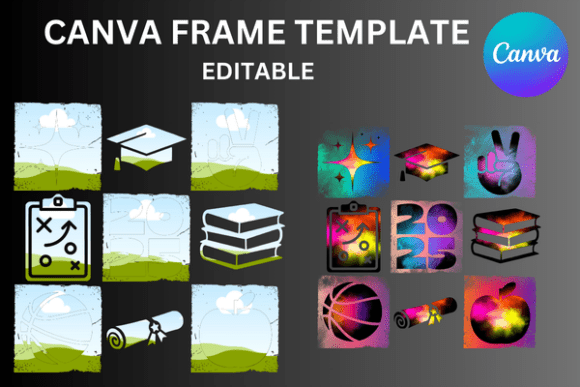
Graduate 2025 Canva Frame Template
A Designer’s First Look: Clean, Celebratory, and Ready for Stitching
As someone who’s stitched hundreds of graduation-themed pieces—from baby onesies to boutique aprons—I opened the Graduate 2025 Canva Frame Template expecting something polished but predictable. Instead, I found a quietly confident layout: balanced negative space, subtle decorative flourishes (think delicate laurel sprigs—not heavy scrollwork), and clean typography that breathes well inside a standard hoop. It doesn’t scream “2025” with gimmicks; it feels like a thoughtful, modern keepsake frame—ideal for embroidery projects where elegance matters more than flash.
How It Translates to Real Embroidery Projects
I tested the Graduate 2025 Canva Frame Template as the centerpiece of a custom embroidered tote bag for a local high school senior’s gift package. The design scaled beautifully at 4.2 inches wide—tight enough for a small hoop, generous enough to read clearly on canvas fabric. On a medium-weight cotton tote, the layout held its shape without distortion, and the open areas between text and borders gave my satin stitch breathing room. No crowding, no thread buildup.
It also worked cleanly on a lightweight sweatshirt mockup—especially when paired with a light tear-away stabilizer and 40-weight rayon thread. The letterforms stayed crisp, and the minimal decorative elements didn’t overwhelm the fabric texture. For baby embroidery? Yes—but only on structured items like bibs or nursery pillow covers, not stretchy onesies. The design’s clarity shines best where fabric movement is controlled.
Where It Fits Naturally (and Where It Needs Caution)
The Graduate 2025 Canva Frame Template is strongest on flat, stable surfaces: tote bags, tea towels, pillow covers, caps (front panels only), and framed embroidery hoops for graduation gifts. It’s especially effective for boutique branding—think small shop merchandise where consistency and polish matter. As a printable mockup asset, it helps Etsy sellers visualize listings quickly without needing custom photo shoots.
Use carefully on:
- Stretchy or thin fabrics—the clean lines rely on stability; knits or voile may blur detail without proper cut-away stabilizer
- Dark or textured backgrounds—test thread color contrast first; light gold or soft sage reads better than stark white on charcoal
- Curved surfaces like baseball caps—the bottom border sits flush on flat fabric, but may compress or distort near the bill curve
- Tiny hoop sizes under 3 inches—some fine details (like the inner laurel stem thickness) lose definition below 3.5 inches
- Frequently washed items—while the design itself isn’t dense, verify stitch density in your converted embroidery file before using on kitchen towels or baby blankets
What It Adds to Your Finished Product—Beyond Aesthetics
This isn’t just decoration—it elevates perceived value. When stitched cleanly, the Graduate 2025 Canva Frame Template reads as intentional, professional, and handmade with care. Customers notice that difference: a client recently told me her daughter’s embroidered sweatshirt “looked like something from a high-end boutique,” not a craft fair stall. That trust starts with smart design choices like this one.
For Etsy sellers and small shop owners, it supports brand consistency across product lines—whether you’re offering digital embroidery files, physical patches, or ready-to-ship apparel. And because it’s built as a Canva frame template, you can easily swap names, years, or fonts *before* converting to an embroidery file—making personalization efficient without sacrificing quality.
Practical Notes Every Embroidery Designer Should Check
Before stitching—or listing your finished item—run through these steps:
- Test on scrap fabric first, especially if using textured or dark material
- Review thread color contrast—try both light and dark options in a black-and-white mockup to confirm legibility
- Confirm hoop size compatibility—the layout works best in 4x4 or larger hoops; smaller hoops may require simplifying minor details
- Inspect small corners and curves—applique designs or satin-stitched borders should flow smoothly without jagged stops
- Use appropriate stabilizer—lightweight cut-away for knits, tear-away for stable wovens, and optional topping for napped fabrics like fleece
- Check licensing terms—since this is a digital embroidery file, verify whether commercial use (e.g., selling finished embroidered totes) is permitted
- Compare light/dark background previews—a Canva-based mockup helps spot contrast issues early
Final Thought: A Thoughtful Tool, Not a Shortcut
The Graduate 2025 Canva Frame Template won’t replace solid digitizing skills—but it does save time, reduce guesswork, and raise the baseline for what your embroidery project communicates. It’s designed for makers who care about how their work lands: not just “Is it stitched?” but “Does it feel meaningful? Does it hold up over time? Does it make the recipient pause and smile?”
If you’re preparing personalized gifts, building a cohesive craft business line, or sourcing reliable design assets for client work, this template earns its place in your workflow—not because it’s flashy, but because it’s considered, adaptable, and quietly excellent.