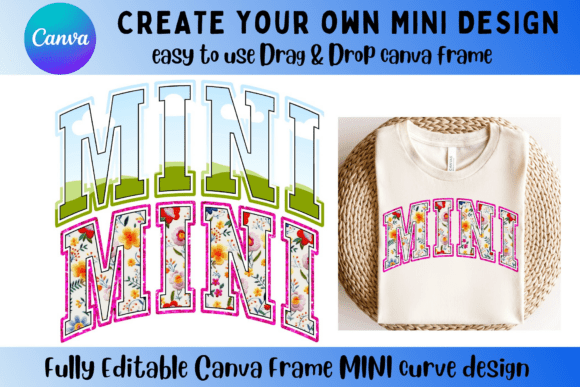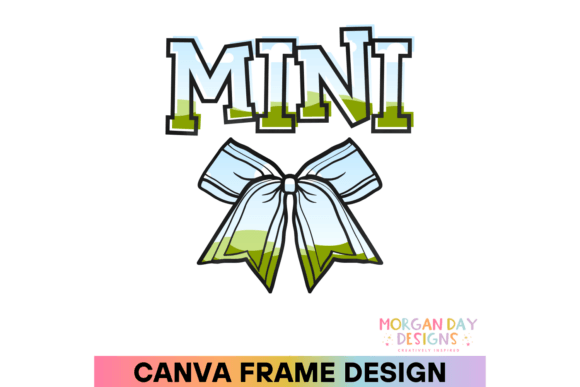
Mini Canva Template: Graphics for Real Canva Projects
As a graphic designer who’s built brand identities for Etsy shops, seasonal product launches, and local boutique packaging over the past 12 years, I opened Mini Canva Template expecting something lightweight—and found a surprisingly cohesive visual anchor. My client? A handmade candle brand launching a limited “Winter Hearth” collection—think soft linen labels, warm-toned Instagram carousels, and printable gift tags for in-store bundles. This is where Mini Canva Template landed: not as a full identity system, but as a polished, mood-driven graphic design asset that elevated the entire visual language without demanding heavy customization.
A First Impression That Sets the Tone
The moment I clicked the link in the PDF, the template loaded cleanly in Canva—no broken layers, no missing fonts. What stood out immediately was its intentional restraint: subtle texture overlays, balanced negative space, and a warm, organic color palette anchored in muted terracotta and oatmeal. It doesn’t scream “trendy”—it whispers “crafted.” That makes it ideal for handmade business branding, small business branding, or any project where authenticity matters more than flash. It leans into modern design without sacrificing warmth—perfect for editorial design, blog visuals, or Pinterest pins that need to feel inviting, not algorithm-optimized.
Where It Shines in Client Work
I dropped Mini Canva Template into three real scenarios:
- Packaging design: Used as a decorative border on kraft paper gift tags—its PNG transparency held up beautifully over textured backgrounds.
- Social media graphics: Adapted the layout for Instagram Stories (4:5) and Pinterest pins (2:3), swapping in client photography with drag-and-drop ease. The hierarchy remained clear—even with new imagery, the eye flowed naturally from headline to detail.
- Printable design: Exported as high-res PNG for 8×10 wall art prints sold alongside candles. At 300 DPI, fine details like hand-drawn line accents stayed crisp—no pixelation, no jagged edges.
It also performed well in Cricut projects when imported as a flattened PNG for vinyl cut files—clean edges, no stray vectors. For print-on-demand sellers, it works especially well for mugs, tote bags, and sticker sheets where illustrative charm adds emotional appeal without overwhelming the product.
Smart Uses Across Design Contexts
This isn’t a one-size-fits-all design bundle. Its strength lies in specific roles:
- Hero graphics for landing pages or email headers—its balanced composition draws attention without competing with copy.
- Product mockups where subtle background texture enhances realism without distracting from the item.
- Themed collections—I reused motifs across holiday cards, digital ads, and printable calendars, reinforcing visual consistency.
- Supporting brand elements like divider lines, corner flourishes, or watermark-style accents in presentations or pitch decks.
Where Caution Is Required
Mini Canva Template isn’t built for every context. I tested it in several edge cases—and noted clear limits:
- Small sizes: Below 200px wide, delicate linework blurred. Avoid for favicon use or tiny app icons.
- Crowded layouts: Layered over busy photos or patterned backgrounds, its subtlety got lost. It needs breathing room.
- Minimalist branding: Paired with ultra-thin sans serifs or monochrome palettes, it felt tonally mismatched—too warm, too tactile.
- Professional corporate materials: Annual reports or investor decks demanded sharper contrast and stricter alignment than this asset provides.
It also doesn’t replace foundational logo design or brand identity work—it supports them. Think of it as a trusted collaborator, not the lead designer.
Design Judgment Notes You Can’t Skip
Before using Mini Canva Template in a client project, I always run these checks:
- Test in black and white: Confirmed it retains shape and hierarchy without color cues—critical for accessibility and print versatility.
- Check contrast on light/dark backgrounds: Works cleanly on white and charcoal—but faded slightly on mid-tone greys. Adjust brightness if needed.
- Preview at scale: Zoomed out to 25% to assess visual weight; zoomed in to 200% to inspect anti-aliasing on curves.
- Place on real mockups: Used free Canva mockups and Cricut Design Space previews—not just thumbnails—to judge realism.
- Test print quality: Printed on matte and glossy stock. No banding or transparency bleed—PNG transparency rendered accurately.
- Inspect file integrity: Confirmed it’s a true PNG with alpha channel (no white background), not a JPEG masquerading as PNG.
- Font compatibility test: Paired successfully with serif (Playfair Display), sans serif (Inter), script (Dancing Script), and display fonts (Bebas Neue)—but avoided pairing with overly ornate handwritten fonts that clashed tonally.
- Verify commercial license: Checked the seller’s terms—yes, it includes commercial license for client work, resale items, and Etsy product listings.
Final Verdict: A Thoughtful Creative Asset
Mini Canva Template won me over not because it’s flashy, but because it’s thoughtful. It understands its role: a flexible, mood-rich digital product that accelerates execution without sacrificing craft. For marketers building seasonal campaigns, bloggers designing newsletter headers, publishers creating themed editorial spreads, or crafters prepping Cricut-ready files—it delivers speed *and* soul. It won’t replace custom illustration or strategic brand development—but in the right context, it adds polish, cohesion, and quiet confidence to the final output. If your client project values warmth, tactility, and efficient execution over sterile scalability, Mini Canva Template earns its place in your working toolkit.