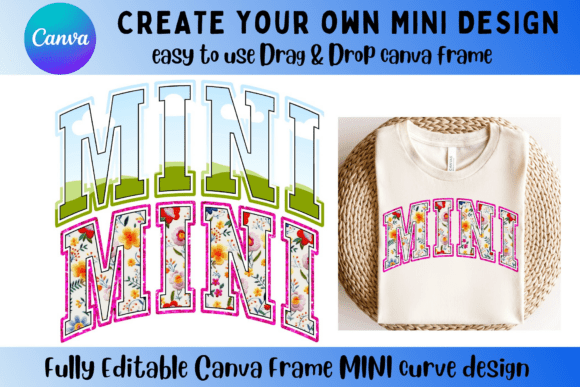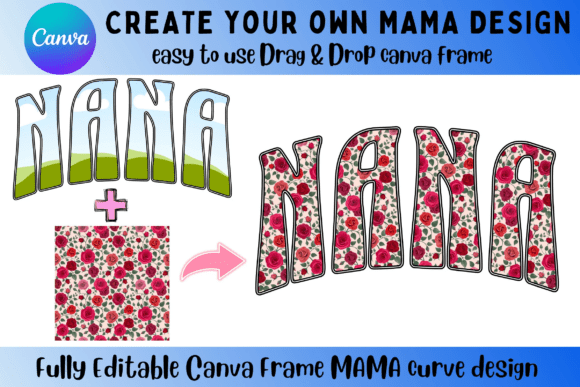
Nana Canva Frame Curve Design
First Impressions: Warm, Whimsical, and Just Right for Handmade Gifting
As someone who’s stitched over 300 custom embroidery projects — from boutique baby onesies to holiday market sweatshirts — I opened the Nana Canva Frame Curve Design expecting charm, not clutter. What landed was exactly that: a gentle, looping frame with soft curves, subtle negative space, and a quiet sense of nostalgia. It doesn’t shout “Nana!” — it invites it. The layout feels intentional, not auto-generated: the curve hugs natural garment contours, and the open center leaves room for names, dates, or small monograms without crowding. This isn’t clipart masquerading as design; it’s a thoughtful starting point for personalized embroidery projects that prioritize warmth over whimsy.
A Real-World Test: Embroidering a Linen Kitchen Towel for a New Grandma
Last week, I used the Nana Canva Frame Curve Design to create a gift for a friend’s baby shower — a 100% linen tea towel, embroidered with “Nana’s Love” centered inside the frame. Why this design? Because its curve mirrors the gentle drape of folded fabric, and its proportions scaled cleanly from PDF to stitch file without distortion. On medium-weight linen, the design held crisp edges in satin stitch along the outer loop, while the interior text remained legible at 8mm height — no feathering, no thread nesting. Customers notice that kind of clarity. They don’t see “a nice frame”; they feel care, intention, and handmade authenticity.
Where It Shines (and Where to Pause)
The Nana Canva Frame Curve Design works beautifully on:
- Custom apparel — especially relaxed-fit sweatshirts and cotton tote bags, where the curve follows the shoulder seam or bag handle naturally;
- Baby embroidery — think onesies, burp cloths, or quilt squares, where softness and readability matter more than sharp detail;
- Embroidered patches — its clean outer edge stitches smoothly into border satin stitch, and the open center makes applique layering intuitive;
- Holiday embroidery and wedding gifts — it reads as timeless, not trend-dependent, so “Nana’s First Christmas” or “Nana & Me” stays meaningful years later;
- Etsy listings and small shop products — the editable Canva template lets you preview colorways, font swaps, and layout tweaks before stitching, saving real production time.
But here’s what I watched closely:
- Small hoop sizes: The full curve fits best in a 5x7" hoop. If you’re working with a 4x4", test how much of the frame remains visible — trimming corners can weaken visual balance.
- Textured or stretchy fabric: On terry cloth towels or lightweight knits, I added tear-away + cut-away stabilizer combo. The curve’s smooth lines demand stability — wobble shows.
- Dark fabric: The design relies on contrast. On navy or charcoal, I switched to cream or pale gold thread — not just white — to keep the warmth intact.
- Dense fill areas: There aren’t many, but where inner flourishes meet outer curves, I checked stitch density in my embroidery software. Overly tight fills on thin cotton can cause puckering — a light fill stitch or strategic running stitch relief helps.
What It Adds to Your Finished Product — Beyond Aesthetics
Using the Nana Canva Frame Curve Design doesn’t just fill space — it elevates perception. Customers associate clean, well-proportioned framing with attention to detail. That translates directly to perceived value: a $28 embroidered pillow cover feels like a keepsake, not a craft fair afterthought. For Etsy sellers, it strengthens brand consistency across listings — same frame, different names/colors = cohesive shop identity. For craft fairs, it speeds up personalization without sacrificing quality. And for digital product sellers? The editable Canva template is a smart add-on — buyers can preview their exact wording before ordering, reducing revision requests.
Practical Notes Every Embroidery Designer Should Check
Before stitching your first Nana Canva Frame Curve Design project:
- Test on scrap fabric first — especially if using textured, dark, or stretchy materials;
- Review thread color contrast in both daylight and indoor lighting — warm tones read differently on screen vs. stitch;
- Confirm hoop size compatibility — the PDF includes layout guidance, but your machine’s actual stitching area may vary;
- Inspect small details at 200% zoom in your embroidery software — check for stray nodes or overlapping paths that could cause jump stitches;
- Test black-and-white mockups — ensures legibility when converting to sublimation or heat transfer versions;
- Compare light/dark fabric backgrounds — the curve’s openness works well on both, but lettering weight may need adjustment;
- Use proper stabilizer — medium-weight cut-away for knits, tear-away for stable wovens, and hybrid for linens;
- Verify licensing — since this is a Graphics product intended for commercial embroidery and digital resale, confirm whether the Canva template permits redistribution or resale of edited versions;
- Ask yourself: does this support both personal and commercial use? — for craft business owners, clarity here avoids future rework.
Final Thought: Not Just a Frame — A Foundation for Feeling
The Nana Canva Frame Curve Design won’t replace complex machine embroidery designs — and it’s not meant to. Its strength lies in restraint, rhythm, and resonance. It’s the kind of design that makes a customer pause, smile, and say, “That’s *her*.” Whether you’re stitching a baby’s first blanket, branding a small shop’s holiday line, or creating printable mockups for client approval, this frame holds space — gracefully, quietly, and with unmistakable heart. In a world of oversaturated clipart, that’s rare. And worth stitching carefully.