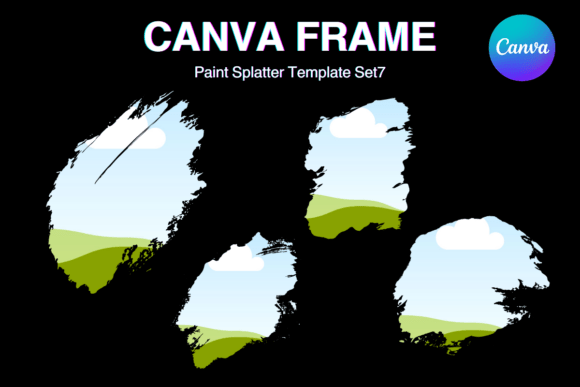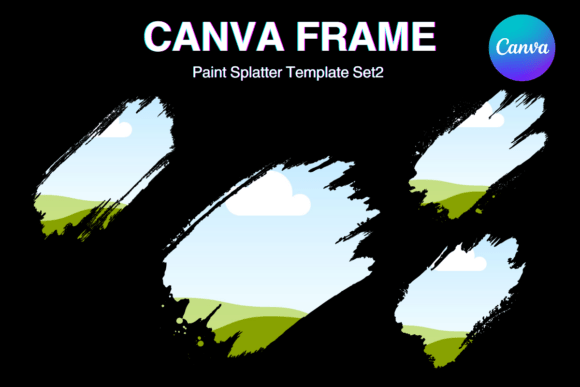
Paint Brush Brush Stroke Canva Frame_2
As a designer who’s stitched over 300 client projects—from boutique baby onesies to Etsy best-selling tote bags—I opened Paint Brush Brush Stroke Canva Frame_2 expecting something playful but functional. What I found wasn’t just a decorative frame—it was a thoughtful, rhythm-driven visual motif that breathes like real brushwork. It feels spontaneous yet intentional: loose enough for handmade charm, structured enough to hold up in embroidery.
A Real Moment: Stitching This on a Linen Kitchen Towel
Last week, I used Paint Brush Brush Stroke Canva Frame_2 as the centerpiece for a custom linen tea towel—part of a small-batch holiday set for a local kitchenware shop. The design sat cleanly in a 5” x 5” hoop, centered just below the towel’s top hem. Because the frame’s strokes taper and curve naturally—not rigidly symmetrical—it avoided looking “cut-and-pasted.” Customers noticed it immediately: “It looks like someone painted it by hand *then* stitched it,” one said. That’s the sweet spot: digital precision meeting tactile warmth.
Where This Design Shines (and Where It Asks for Care)
Paint Brush Brush Stroke Canva Frame_2 thrives where movement and personality matter most:
- Custom apparel: Works beautifully on relaxed-fit sweatshirts and canvas totes—especially when placed off-center or along a seam line to echo natural brush flow.
- Embroidered patches: Its open negative space and directional energy translate well into sew-on or iron-on patches for aprons, denim jackets, or kids’ backpacks.
- Baby embroidery: On organic cotton burp cloths or muslin swaddle blankets, its soft edges read as gentle—not busy—making it ideal for gender-neutral nursery decor.
- Holiday & wedding gifts: Paired with a simple monogram or date inside the frame, it adds artisanal weight without overwhelming delicate fabrics.
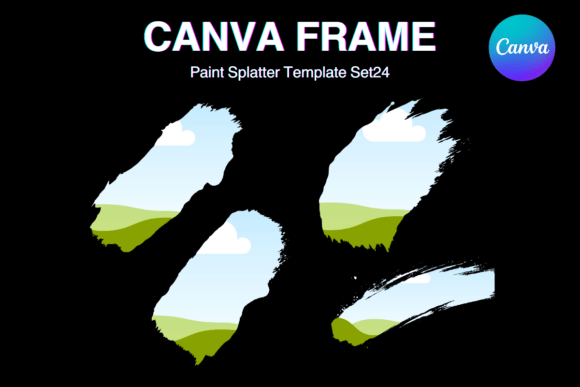
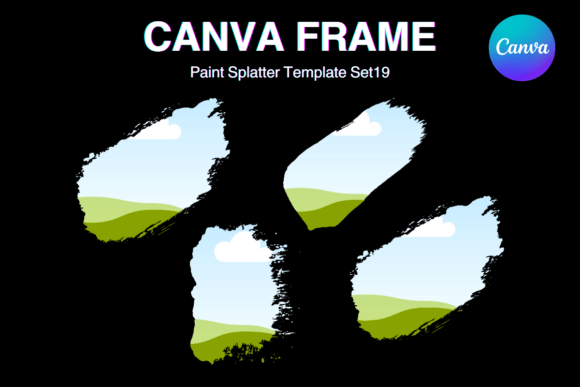
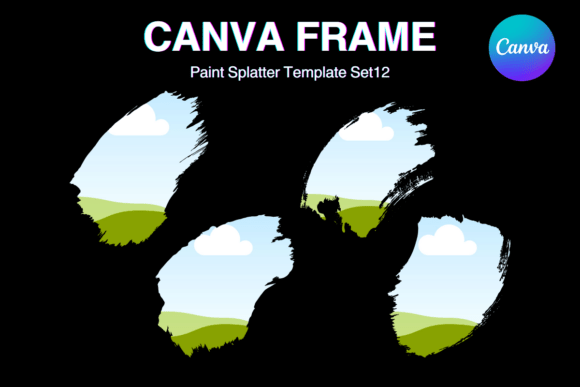
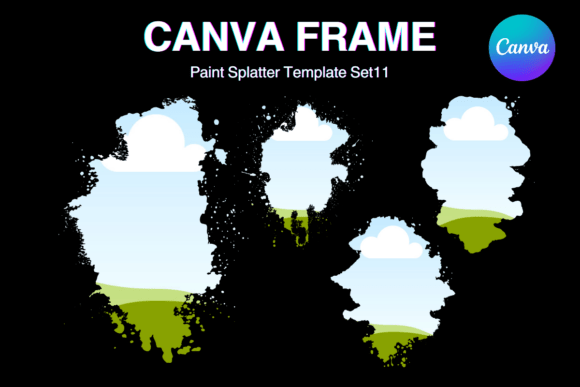
- Craft business branding: Use one of the four Canva frames as a consistent border in your Etsy listing mockups, packaging inserts, or social media banners—it builds visual continuity across digital and physical touchpoints.
But—and this matters—Paint Brush Brush Stroke Canva Frame_2 isn’t a “drop-in-and-stitch” asset for every surface. Here’s where attention pays off:
- Small hoop sizes: The full 12×12 inch layout is generous. If you’re stitching on a curved cap visor or narrow wristband, scale thoughtfully—and test how tapered stroke ends hold up at 60–70% size.
- Textured or stretchy fabric: On terry cloth towels or ribbed knit tees, stabilizer choice becomes critical. A medium-cutaway + tear-away combo kept stitch definition sharp on my linen towel; skip the tear-away alone on knits.
- Dark or dense backgrounds: The design relies on contrast—especially where fine stroke overlaps occur. On charcoal sweatshirts, I switched from ecru to bright white thread to preserve clarity. Always preview in grayscale first.
- Frequent-wash items: While the frame itself has no tiny isolated elements, dense fill areas near stroke bases can pucker if stitch density isn’t balanced. Check your machine’s fill stitch settings before running a full batch.
What It Adds to Your Finished Product—Beyond Aesthetics
This isn’t just about prettiness. Paint Brush Brush Stroke Canva Frame_2 quietly elevates perceived value. When stitched on a handmade pillow cover or personalized gift tag, it signals intention—not decoration. Buyers connect it with creativity, craft, and care. That translates directly to pricing confidence, repeat orders, and word-of-mouth trust.
For Etsy sellers and small shop owners: this frame reads as *ownable*. It doesn’t scream “clip art.” Used consistently across product photos and packaging, it reinforces brand voice—especially if your shop centers around art supplies, maker culture, or slow-made goods. And because it’s built for Canva, adapting it for printable mockups or digital product previews takes seconds—not hours.
Practical Designer Notes Before You Stitch
Before committing to your first run, here’s what I do—and recommend:
- Test on scrap fabric that matches your final substrate—same weave, weight, and stretch. Linen behaves differently than quilting cotton, which behaves differently than fleece.
- Check thread color contrast in natural light *and* under your studio lamp. Some stroke overlaps fade visually if thread values are too close.
- Review stitch density in your embroidery software. Look for tight clusters near stroke convergence points—these may need slight manual thinning for breathability on wearables.
- Confirm hoop compatibility. Though the file delivers 12×12 inch templates, your machine’s max hoop size may require scaling. Don’t assume auto-resize preserves stroke integrity.
- Inspect small details at 200% zoom. Are tapered ends clean? Do any inner corners look pinched or overly dense?
- Mock it up in black and white first—even if you plan color. It reveals hierarchy, balance, and legibility faster than RGB.
- Compare light vs. dark fabric backgrounds using Canva’s background swap tool. Does the frame retain its gesture on both?
- Use appropriate stabilizer—not just “some.” For lightweight cotton, try a lightweight cutaway; for knits, fuse a no-show mesh underneath.
- Verify licensing before selling finished items or bundling this as part of a digital embroidery file pack. Since this is a graphics-based Canva template, confirm commercial use rights apply to your intended output.
Bottom line? Paint Brush Brush Stroke Canva Frame_2 earns its place in a working designer’s toolkit—not as filler, but as flexible, expressive scaffolding. It supports storytelling, invites customization, and stays true to the handmade spirit without demanding perfection from the stitcher. Whether you’re prepping for craft fair season, building an Etsy collection, or designing a signature product line, this frame doesn’t shout. It gestures—and lets your work speak clearly beside it.