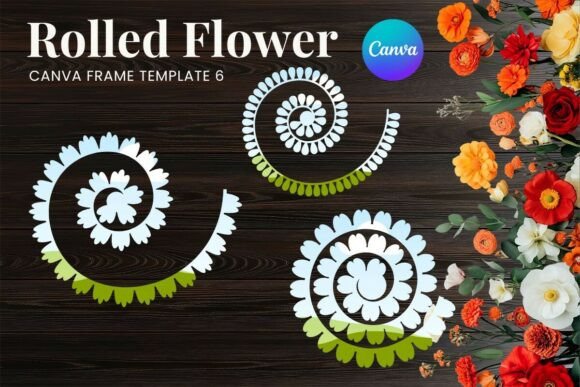
Rolled Paper Flower Canva Frame_6
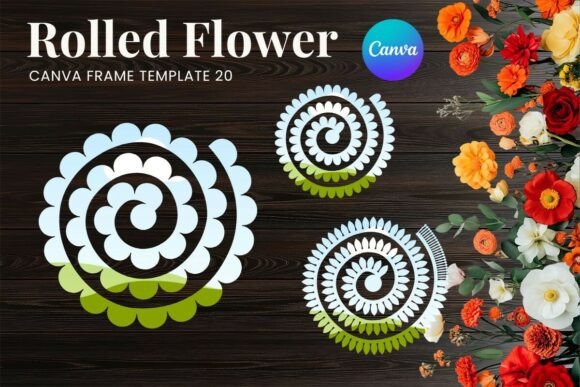
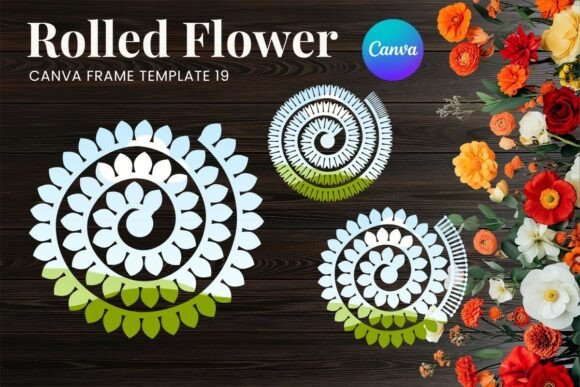
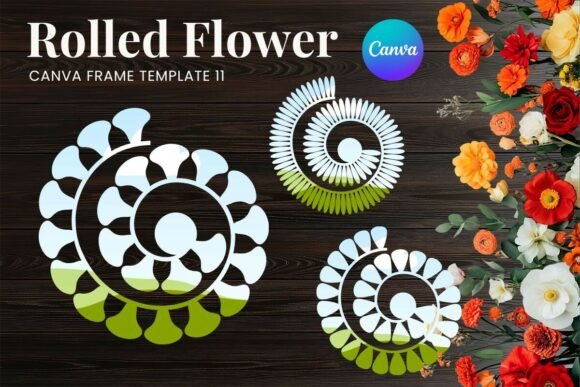
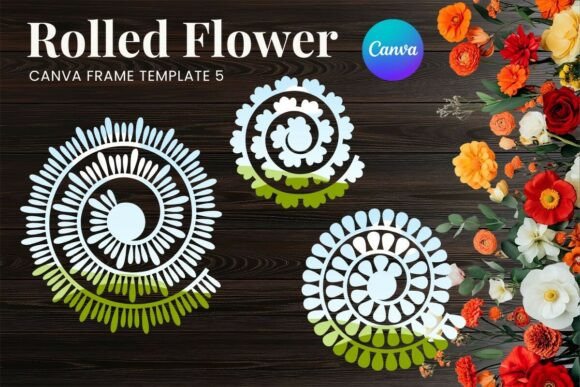
As a designer who’s stitched over 200 client projects—from boutique baby onesies to Etsy-ready embroidered patches—I opened Rolled Paper Flower Canva Frame_6 expecting charm, not clutter. What I found was a quiet, intentional design: three hand-drawn-style paper flower frames, each built on a clean 12×12 inch canvas, delivered as a single PDF with direct Canva links. No physical props, no fluff—just editable, scalable graphics meant for real-world embroidery prep. Let me walk you through how this holds up—not as a pretty screenshot, but as a working embroidery asset.
A Design That Breathes Before Stitching
The first thing that stands out is rhythm. Each frame uses layered paper petals with soft, uneven edges—not stiff vector perfection, but something that feels handmade from the start. There’s gentle negative space around the center, no dense fill zones, and subtle shadow lines that suggest depth without demanding high stitch density. That’s huge. When I imagined using Rolled Paper Flower Canva Frame_6 on a linen tea towel for a small shop launch, I didn’t see puckering or thread buildup—I saw crisp satin-stitched petals holding shape after repeated washes.
This isn’t a “fill-the-entire-hoop” design. It’s a frame—so it invites thoughtful placement. I sketched it mentally on a cream-colored cotton apron (for a local bakery’s staff gift line), and instantly knew the open center could hold a monogram, a tiny herb icon, or even stay blank for minimalist impact. That flexibility makes it unusually versatile across embroidery project types: baby embroidery, holiday embroidery, custom apparel, and even printable mockups for your Etsy listings.
Where It Shines—and Where It Asks for Care
Rolled Paper Flower Canva Frame_6 excels on stable, medium-weight fabrics: cotton twill for tote bag designs, midweight sweatshirt fleece, quilting cotton for pillow covers, and smooth poplin for nursery decor. On those, the organic curves translate cleanly into satin stitch, and the petal outlines read clearly—even at 3.5 inches wide. I’d confidently use it for embroidered patches or cap front designs, provided the hoop size allows for smooth curve handling.
But—and this matters—don’t assume it auto-adapts to every surface. On highly textured fabrics like bouclé or thick terry cloth, the delicate petal tips may blur visually. On stretchy knits (think lightweight tees or baby bodysuits), stabilize aggressively—or scale down slightly to keep tension consistent. And on dark fabric? Test contrast early: some of the lighter inner highlights in the Canva template won’t carry through to stitch unless you adjust thread colors intentionally. A black-and-white mockup check is non-negotiable here.
Real Use Case: A Handmade Tote Bag Line for Local Makers
Last month, I prepped a batch of canvas totes for a craft fair pop-up. The goal: elegant but approachable branding—no logos, just tactile, botanical warmth. Rolled Paper Flower Canva Frame_6 became the anchor. I dropped one frame into Canva, added a muted sage thread palette, exported a clean PNG for my embroidery digitizer, and ran test stitches on scrap canvas. Result? Clean entry and exit points, no thread nesting in corners, and a finished product that felt artisan-made—not templated. Customers paused at the booth not because it screamed “look at me,” but because the detail whispered care.
That’s the quiet strength of this design: it supports your brand voice instead of overriding it. For Etsy sellers, that means higher perceived value on personalized gifts. For apparel decorators, it adds sophistication to sweatshirt embroidery without complicating production. And for digital product sellers? These frames are smart design assets—you can layer them behind custom text, pair them with seasonal icons, or use them as consistent visual bookends across your shop banners and printable mockups.
Designer Notes You’ll Actually Use
- Always test on scrap fabric first—especially if pairing with applique design elements or running stitch borders.
- Review stitch density before finalizing. While the original Canva file is graphic-based, your digitized version must balance fill stitch coverage with breathability—particularly for baby embroidery or items meant for sensitive skin.
- Confirm hoop size compatibility. These frames scale beautifully, but avoid pushing below 3 inches wide unless you’ve verified fine petal definition on your machine.
- Inspect small details in both light and dark mode. What reads as delicate in Canva may vanish on navy denim or charcoal fleece without adjusted thread contrast.
- Use cutaway or tear-away stabilizer appropriately. The curves demand stability—but don’t over-stabilize thin fabrics; it kills drape.
- Check licensing before selling finished products. Since this is a digital embroidery file distributed via Canva, confirm whether commercial use is permitted for your specific application—especially if reselling as part of a craft business bundle.
Final Thought: Not Just a Frame—A Quiet Confidence Builder
Rolled Paper Flower Canva Frame_6 won’t wow with flash. It wins with restraint. It’s the kind of design that makes your embroidery project feel considered—not just completed. Whether you’re stitching a wedding gift pillow cover, prepping holiday embroidery for a small shop product line, or building cohesive design assets for your digital embroidery file shop, this set delivers calm precision. It respects fabric. It honors stitch. And most importantly, it leaves room—for your voice, your customer’s story, and the handmade product to speak clearly.
If you’re tired of chasing trend-driven graphics that fall flat under needle and thread, try slowing down with Rolled Paper Flower Canva Frame_6. Then stitch it—not as decoration, but as intention.